
Introduction
Commercial real estate transactions can be complex, involving many legal, financial, and logistical elements that require careful planning. Whether you’re leasing, buying, or selling commercial property, following a structured process is crucial to ensure the interests of all parties are protected. In this blog, we will walk through the fundamental steps involved in each type of transaction and highlight the importance of adhering to each stage.
Leasing a Commercial Property
When leasing a commercial property, following a sound process helps to ensure both the tenant and the landlord are protected through clear agreements and defined expectations.
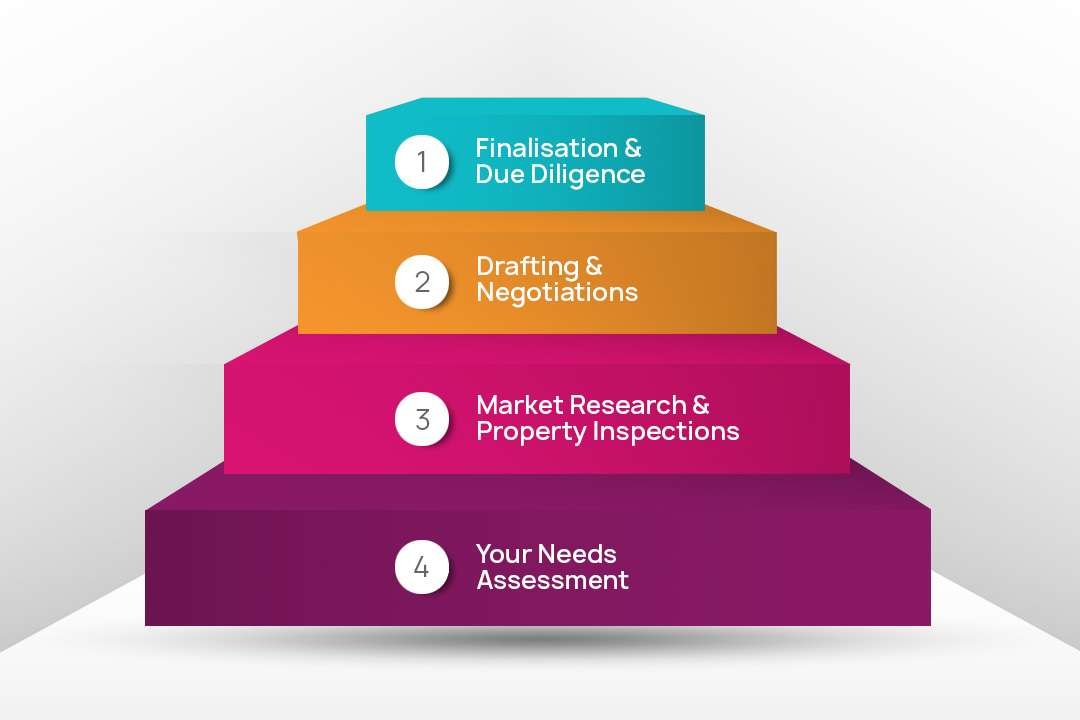
- Needs Assessment: The first step in any leasing transaction is understanding the needs of your business. For tenants, this means determining how much space is required, your desired location, and budget constraints. Conducting this assessment helps narrow down options and ensures you’re only looking at properties that fit your needs, preventing wasted time and potential overspending.
- Market Research and Property Inspections: After defining your requirements, market research comes into play. Real estate agents can assist in identifying suitable properties, but it’s equally important for tenants to conduct their own research. Inspecting the properties provides a clear view of what’s available, helping tenants weigh factors like foot traffic, accessibility, and proximity to suppliers, customers and/or infrastructure.
- Drafting and Negotiating the Lease: Once a property is selected, the lease negotiation phase begins. This is a critical stage where terms like rent, lease length, renewal options, and maintenance responsibilities are discussed. It’s essential for both landlords and tenants to seek legal counsel during this stage to ensure the lease is balanced and free of ambiguous terms that could lead to disputes later on.
- Finalising the Lease and Due Diligence: Before finalising, a thorough due diligence process ensures the property is suitable for the intended use. Inspections, zoning checks, and verifying permits are necessary to avoid future complications. Once due diligence is complete, both parties can sign the lease with confidence.
Buying a Commercial Property
Purchasing commercial property is a significant investment, requiring thorough preparation and detailed steps to secure a property that aligns with your goals.
- Financial Preparation: A successful purchase starts with financial preparation. Buyers need to secure financing by obtaining pre-approvals from banks or lenders, assessing their budget, and understanding the overall investment costs. A clear financial plan helps buyers avoid overstretching and positions them as serious contenders when making offers.
- Property Search and Evaluation: Just like leasing, finding the right property involves extensive research. Buyers can use online listings, work with agents, or attend property inspections to evaluate potential buildings. At this stage, buyers should assess not just the property’s physical condition but also its location, potential for future growth, and alignment with their business or investment strategy.
- Due Diligence and Inspections: Once a property is selected, the due diligence process is essential. Buyers must conduct inspections, environmental assessments, and legal reviews to ensure there are no hidden issues such as structural problems or zoning restrictions that could affect the property’s usability. This step protects the buyer from unforeseen costs or legal hurdles.
- Contract Negotiation and Finalising the Purchase: The negotiation phase involves agreeing on the purchase price, contract terms, and any contingencies. It’s advisable to work with legal and financial advisors during this phase to avoid misunderstandings. Once terms are agreed upon, the property transfer process can begin, involving the signing of contracts, final inspections, and the formal transfer of ownership.
Selling a Commercial Property
Selling a commercial property requires careful positioning in the market, along with strategic negotiations to maximise value.
- Property Valuation and Market Positioning: The first step in selling is to obtain a market appraisal or valuation to ensure the property is priced appropriately. A well-conducted appraisal or valuation considers market conditions, location, and the property’s condition. Pricing your property accurately ensures you attract the right buyers and avoid long delays on the market.
- Marketing the Property: Effective marketing is critical in generating interest. A combination of online listings, targeted advertising, and working with the right real estate agent can ensure your property is visible to potential buyers. Networking within the industry can also yield promising leads, especially for high-value commercial properties.
- Negotiation with Potential Buyers: Once interested parties emerge, negotiations begin. This stage often involves counteroffers and discussions about terms beyond just the price, such as payment schedules and contingencies. Skilled negotiation is key to ensuring both the buyer and seller feel the deal is fair and beneficial. Lop-sided deals happen rarely, if at all.
- Closing the Sale: In the final step, the property transfer process, legal documentation is prepared, and the buyer completes their due diligence. The seller must ensure all documentation is in order and that the transfer of ownership is handled smoothly. Having a lawyer or conveyancer involved helps avoid any last-minute issues that could derail the transaction.
The Importance of Following the Process
In all these types of transactions—leasing, buying, and selling—a structured process is essential to protecting the interests of everyone involved. Each step serves a purpose, whether it’s safeguarding financial investment, ensuring legal compliance, or simply preventing future disputes. Rushing through or skipping any stage can lead to costly mistakes, missed opportunities, and potential legal battles.
When all parties follow the process, the chances of a successful transaction increase dramatically. Buyers, sellers, and tenants all gain peace of mind knowing they are entering into fair, legally sound agreements.
Conclusion
In conclusion, the key to a successful commercial real estate transaction lies in adhering to the proper steps, whether leasing, buying, or selling. These processes are designed to protect all parties involved, ensuring that transactions are transparent, legally compliant, and mutually beneficial. By following the steps outlined above and seeking professional guidance when needed, buyers, sellers, and tenants can navigate the often complex world of commercial real estate with confidence.
If you would like to discuss any of these points in more detail, or if we can assist you with a commercial property transaction, please reach out to our experienced team today.