
The COVID-19 pandemic has had a profound impact on the commercial office market, causing significant disruptions and shifts in the way businesses operate. As remote working became the norm, office vacancy rates soared, leaving many landlords and investors concerned about the future of their properties. However, as we move towards a post-pandemic world, there are emerging trends and opportunities that indicate a potential revival for the commercial office market. In this article, we will explore these trends and discuss strategies for navigating the evolving landscape.
The Rise of Remote Working and its Impact on Office Spaces
The pandemic-induced remote working experiment has proven that many businesses can function effectively with employees working from home. As a result, office spaces have experienced increased vacancy rates, with tenants opting for flexible work arrangements. According to Australian Financial Review Property Editor Nick Lenaghan, nearly 500,000 square metres of additional office space in major cities remains vacant compared to initial forecasts.
However, it is important to note that while remote working has its benefits, there is still a strong demand for physical office spaces. A survey representing over 630,000 workers across Australia revealed that just 7% of employers expected workers to be in the office for a full 5-day week. This indicates that a hybrid work model, combining remote and in-office work, is likely to become the new norm.
The Flexibility Advantage of Co-Working Spaces
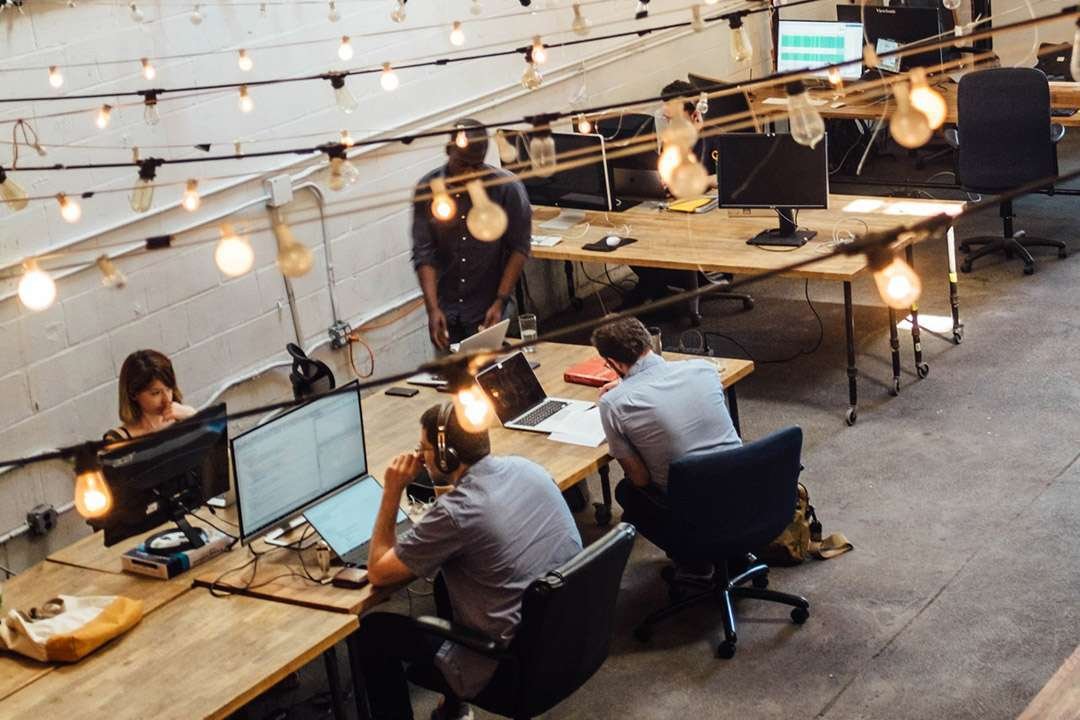
One significant trend that has emerged in response to the changing office landscape is the increasing popularity of co-working spaces. These shared office environments offer businesses and employees greater flexibility in terms of workspace and lease agreements. Co-working spaces provide an attractive solution for companies looking to scale up or down quickly without the constraints of long-term leases.
Nicole O’Brien, CEO of Fishburners, a leading co-working space provider, highlights the benefits of this symbiotic working model. Co-working spaces not only offer flexibility but also foster a sense of community and collaboration among individuals from various industries. With no lock-in lease contracts, businesses can adapt to changing market conditions and keep overhead costs low, making co-working spaces an appealing option for both startups and established companies.
The Rejuvenation of Office Spaces through Conversion Projects
As office vacancy rates remain high, property developers and operators are exploring creative solutions to repurpose underutilized office buildings. One such strategy is the conversion of office spaces into hotels or serviced apartments. This approach offers an opportunity to breathe new life into vacant buildings and cater to the growing demand for alternative accommodation options.
Serviced apartment operator Veriu, in partnership with local development company Crispin’s, is leading the way in this endeavour. They are converting a mostly vacant office building in Canberra into a new Punthill hotel. Veriu’s CEO, Zed Sanjana, believes that repurposing underutilized office space in prime locations is an attractive proposition due to the lower construction costs and quicker project completion times. This strategy not only benefits the operators but also provides hope for landlords seeking to revive defunct commercial buildings.
The Role of Environmental, Social, and Governance (ESG) in Office Investments
Another significant factor shaping the future of the commercial office market is the rising importance of Environmental, Social, and Governance (ESG) qualities. Investors and occupiers are increasingly prioritizing sustainability and wellness in their decision-making processes. Eco-friendly office spaces not only lower costs for tenants but also create a more pleasant work environment, leading to improved staff retention.
This growing focus on ESG has resulted in a divide between prime and secondary office stock. Colliers, a leading real estate services company, reports that around 70% of leasing deals in CBD markets involve tenants committing to prime office space. This trend highlights the need for property owners and developers to invest in sustainable and wellness-focused design and amenities to attract high-quality tenants.
Selecting the Right Opportunities in the Office Market
While there are counter-cyclical opportunities in the commercial office market, it is crucial for investors to approach them with caution and select the right opportunities for maximum potential. It is essential to conduct thorough market research, analyze occupancy rates in specific locations, and consider the demand for flexible workspaces.
Moreover, the success of office investments relies on nuanced asset selection and effective management strategies. A diversified portfolio can help mitigate risks and increase the likelihood of outperforming economic headwinds. Investors should also stay abreast of market trends, regulatory changes, and emerging technologies that can impact the future of office spaces.
Conclusion: Navigating the Post-Pandemic Office Landscape
As we navigate the post-pandemic realities, the commercial office market is undergoing significant transformations. While remote working continues to shape the way businesses operate, the demand for physical office spaces remains strong. Co-working spaces provide flexibility and community, while conversion projects offer opportunities to revitalize underutilized office buildings. The focus on ESG qualities further drives the divide between prime and secondary office stock.
To succeed in this evolving landscape, investors and operators must adapt their strategies and embrace the changing needs of tenants. By investing in sustainable and wellness-focused design, offering flexible lease agreements, and fostering a sense of community, the commercial office market can thrive once again. With careful research, effective asset selection, and a forward-thinking approach, businesses can navigate the post-pandemic office landscape and unlock the potential of this resilient asset class.